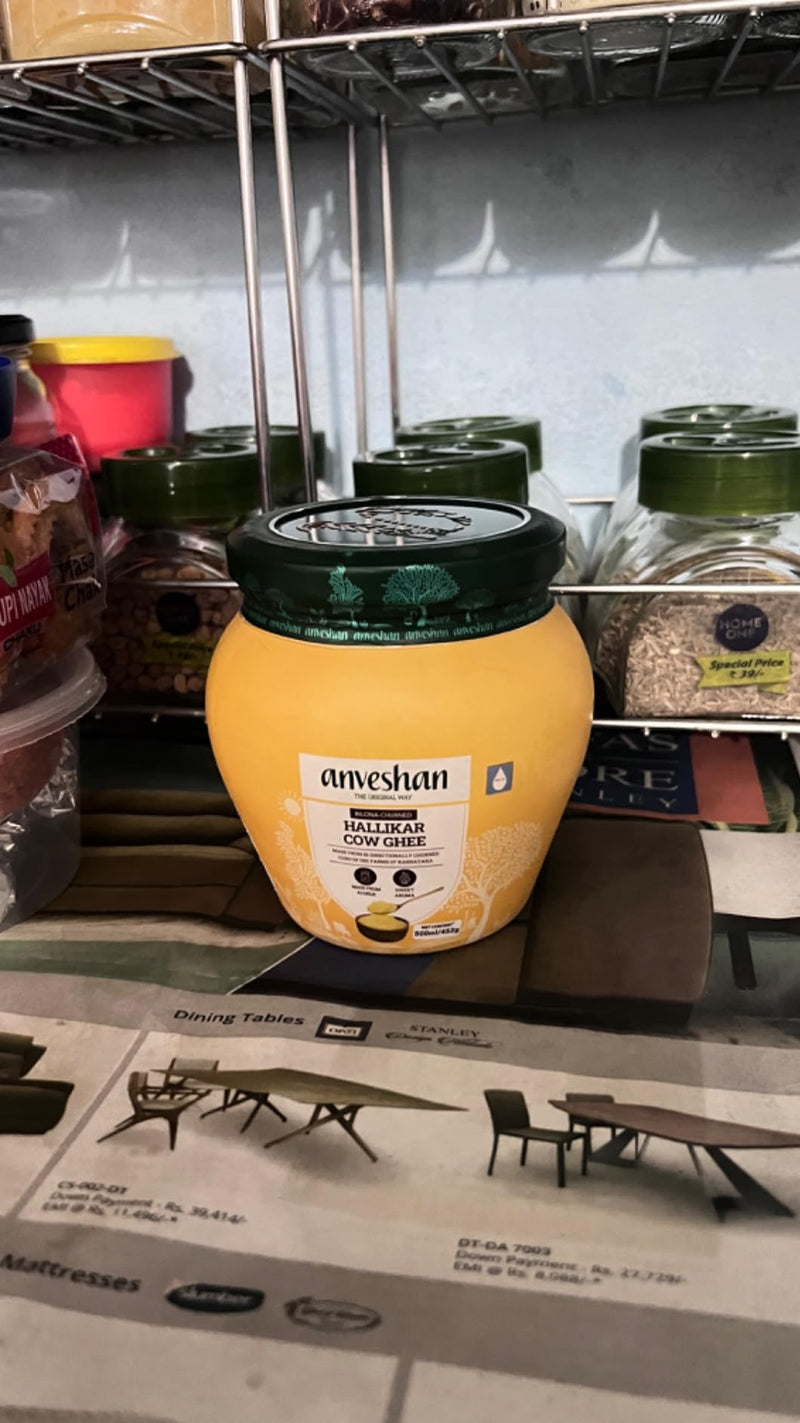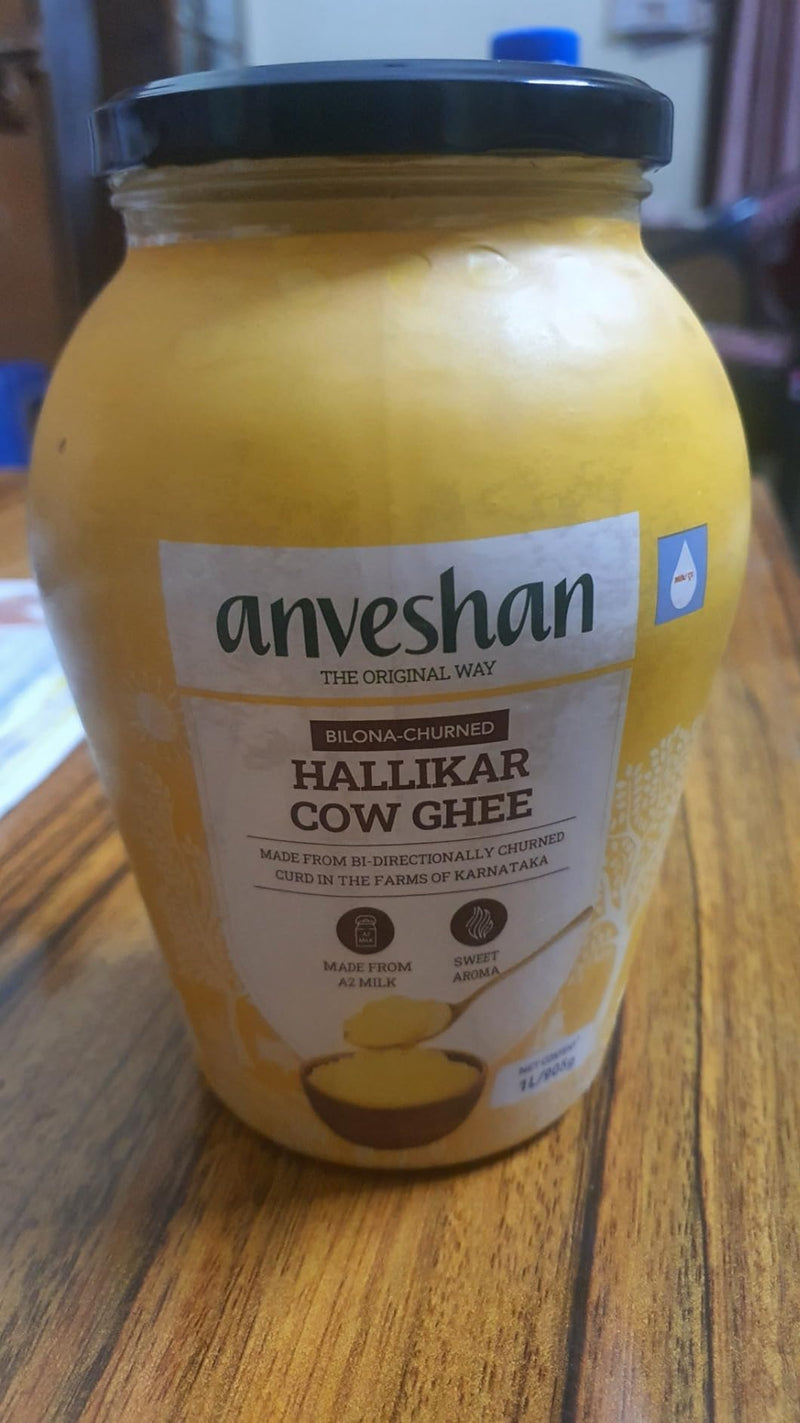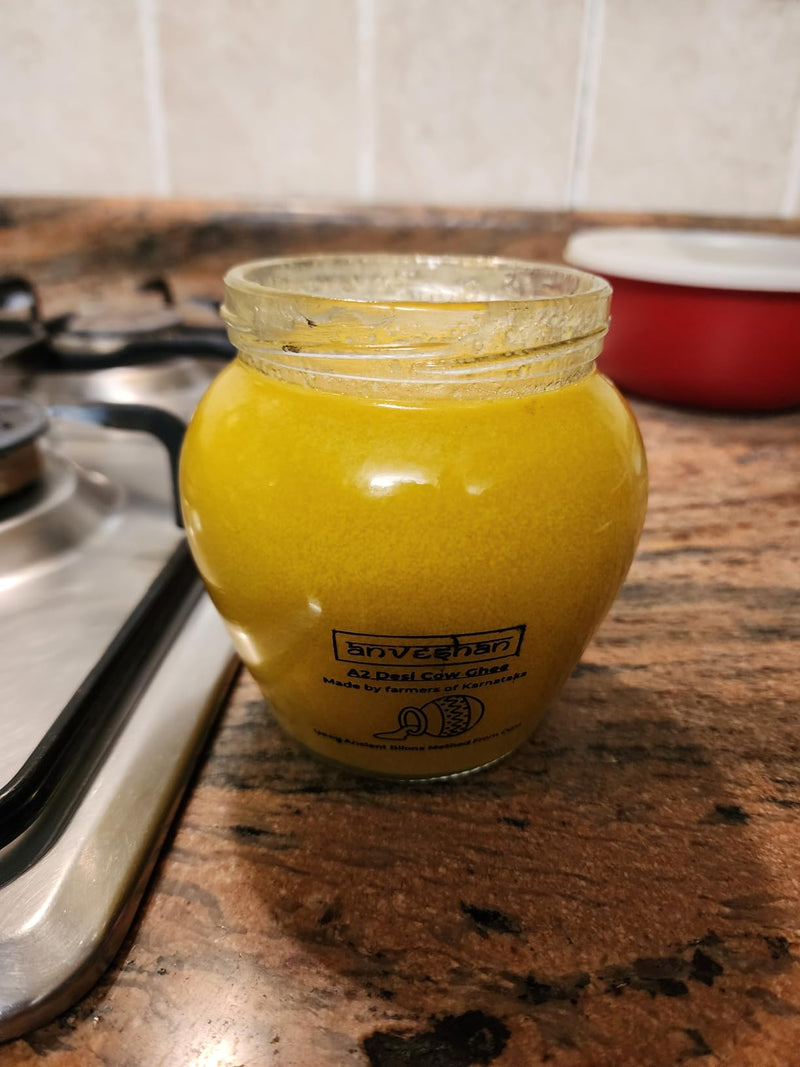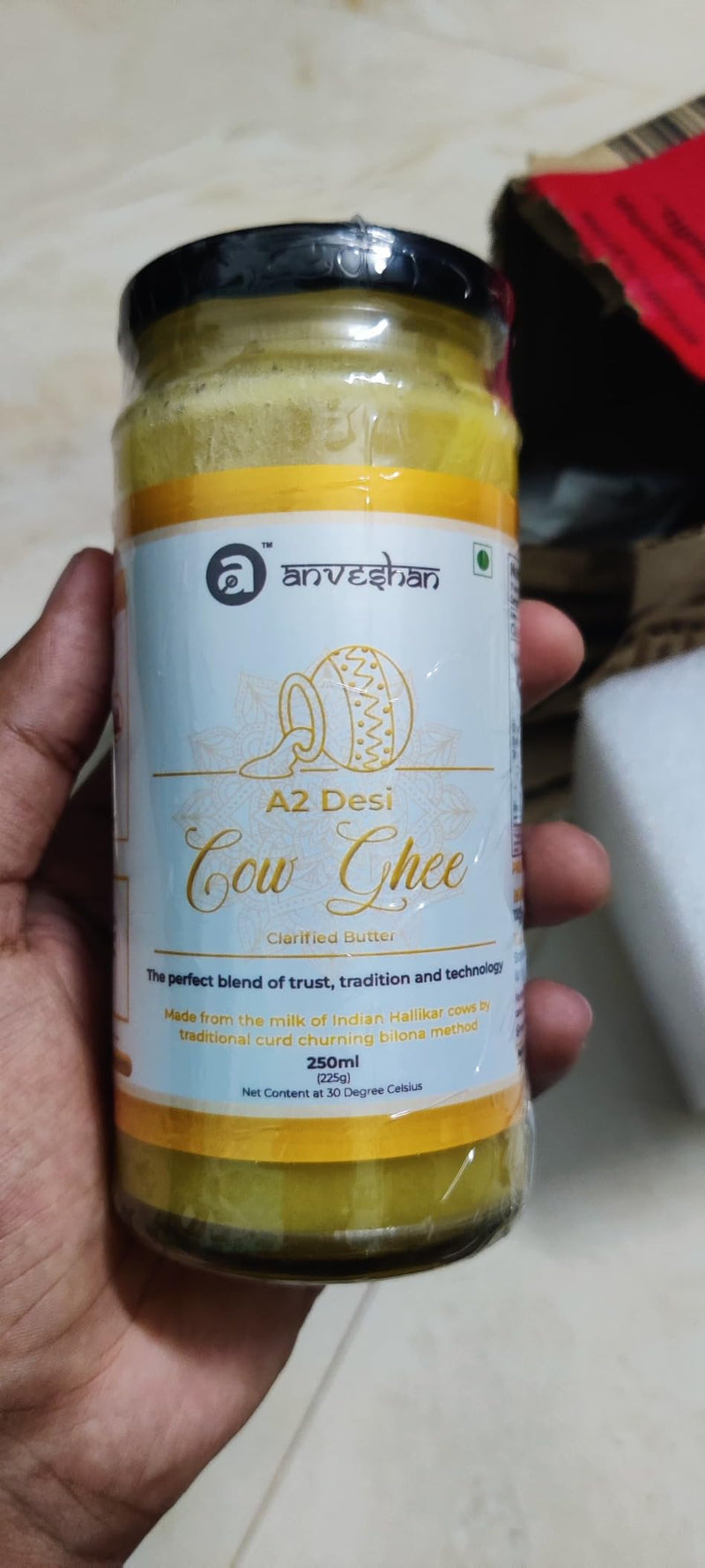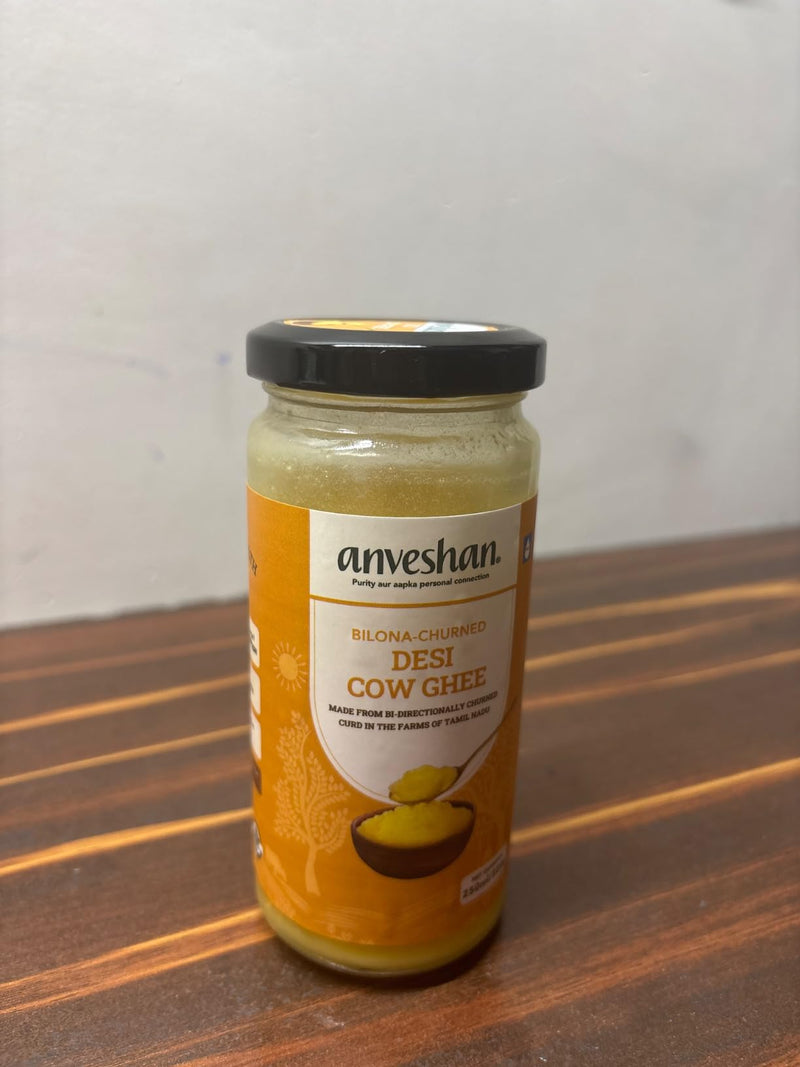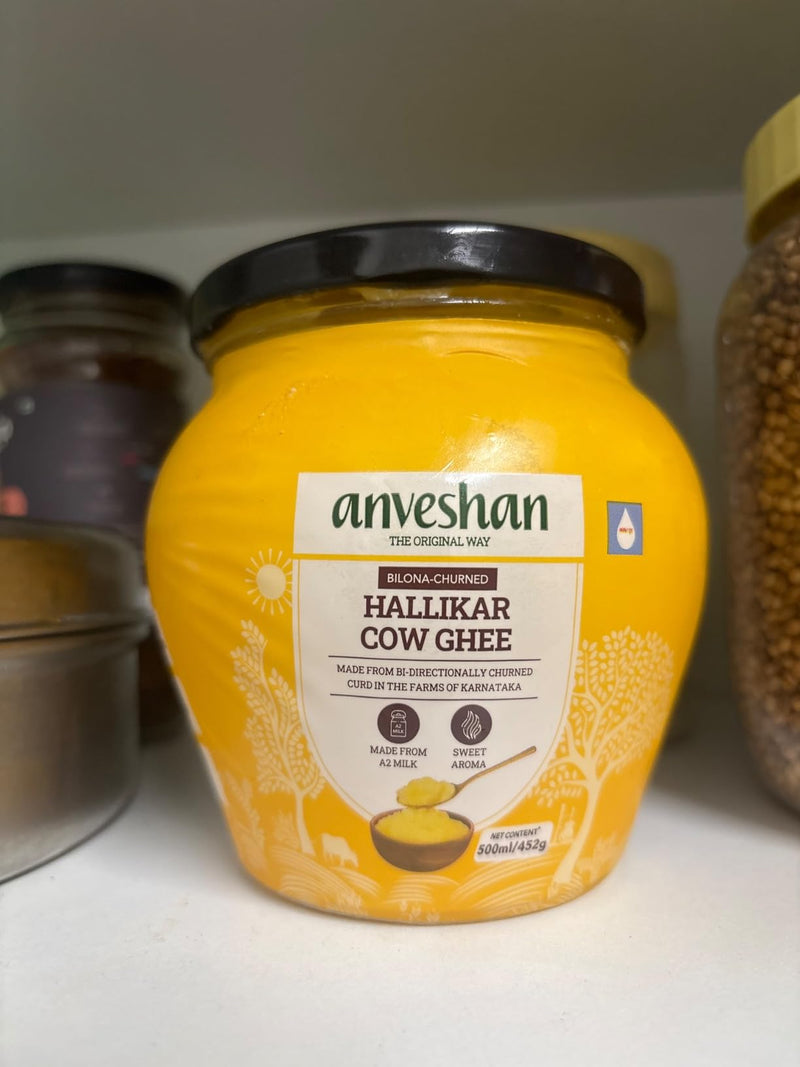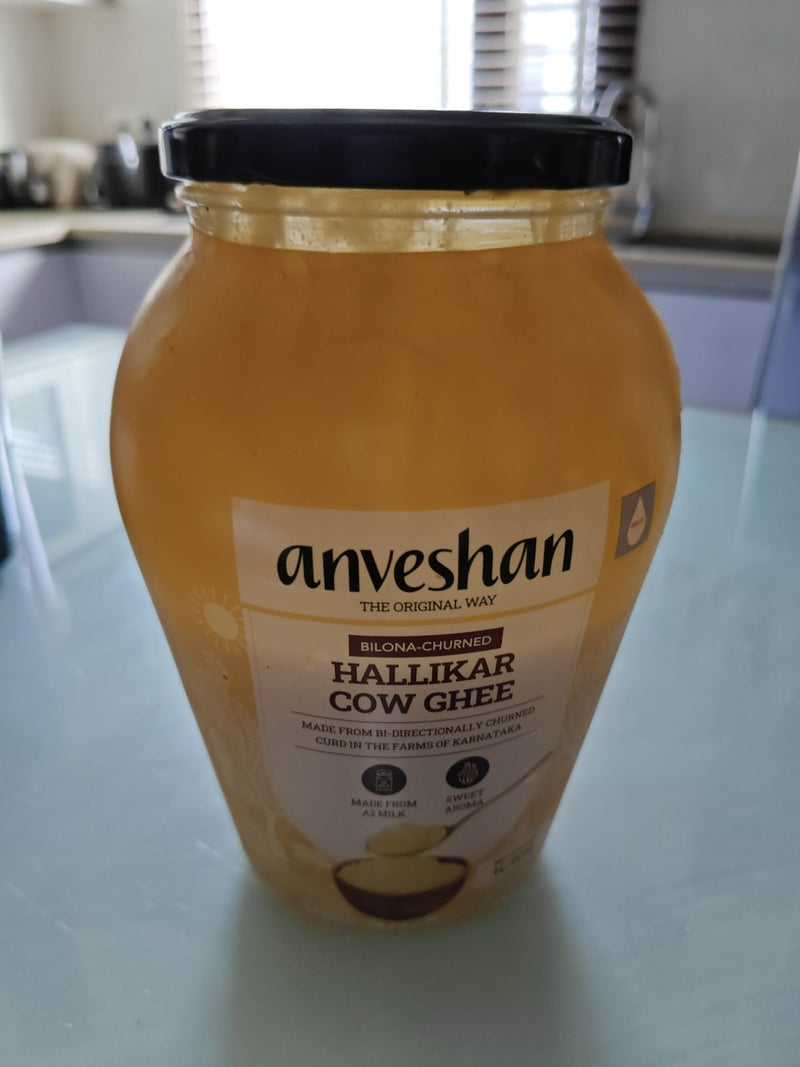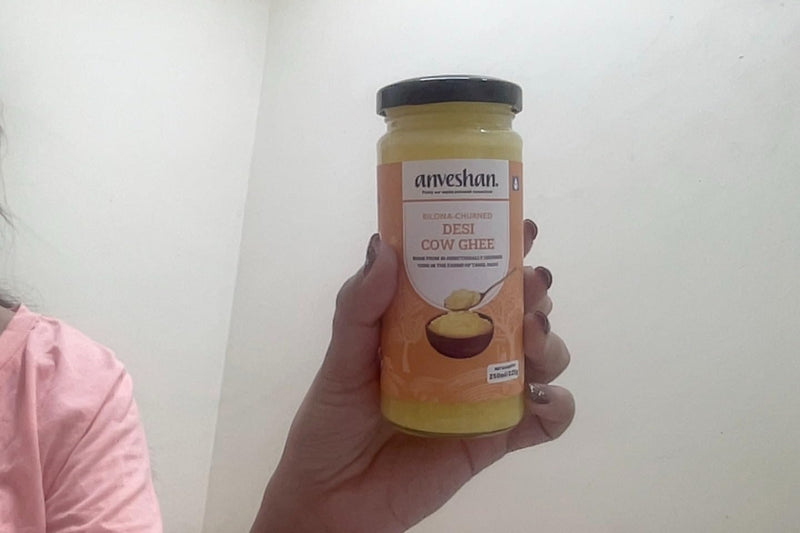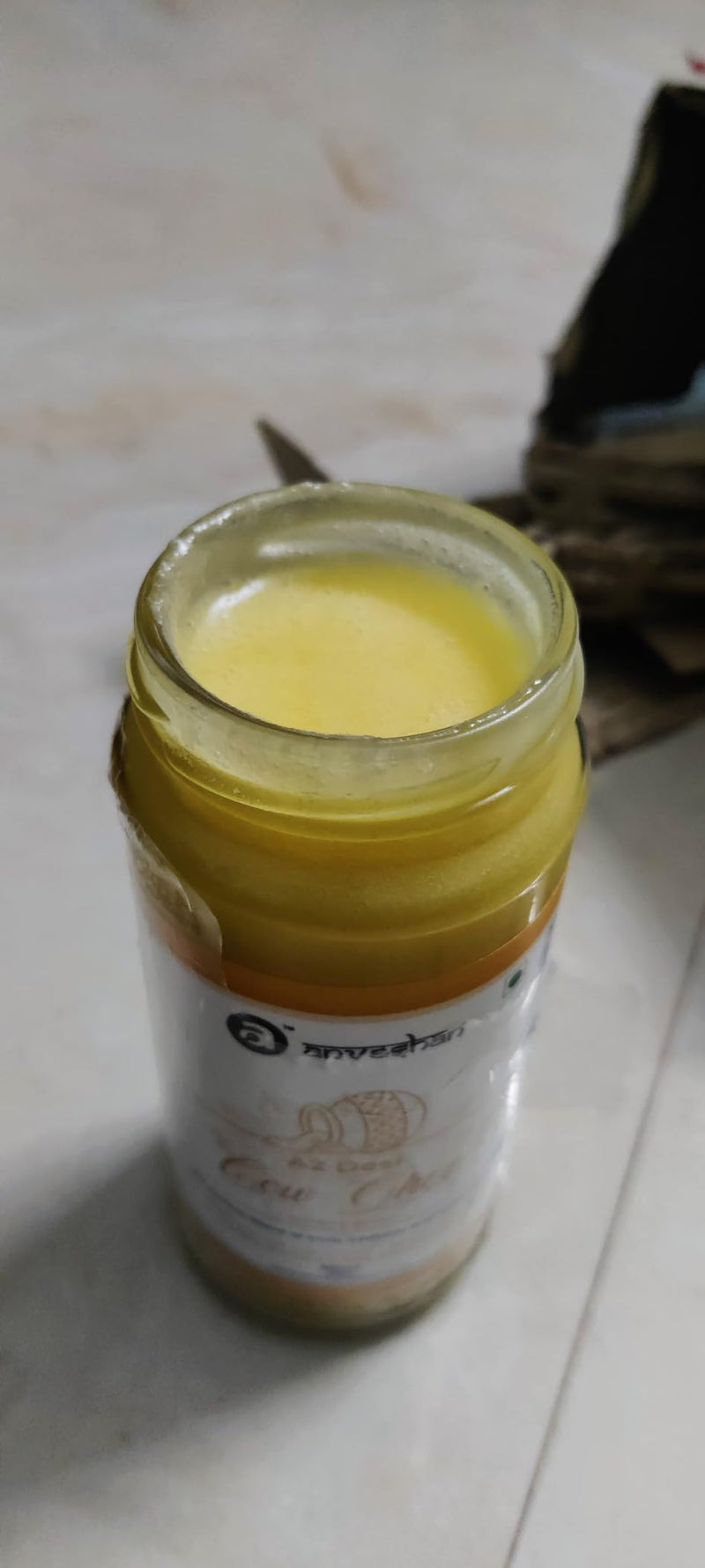






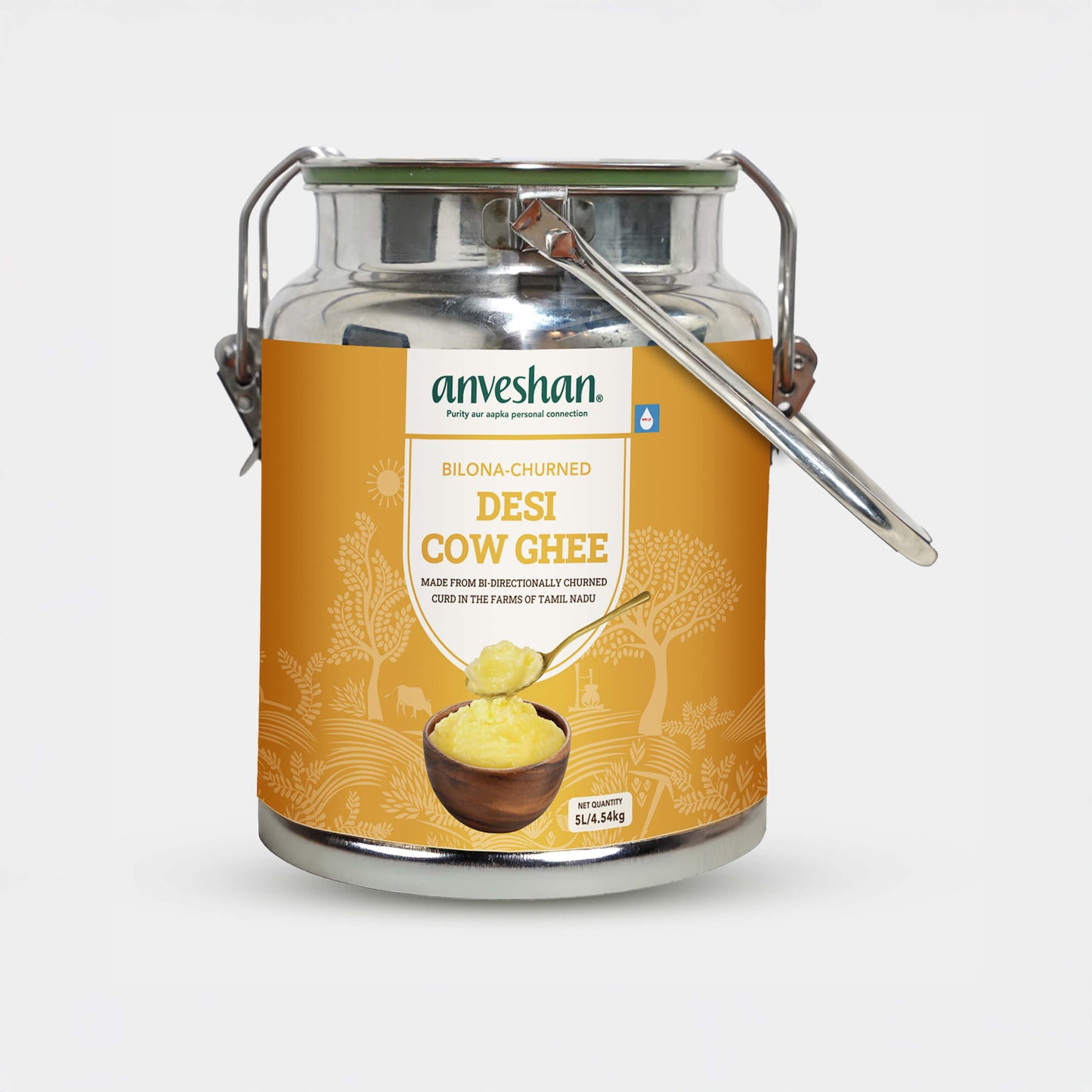
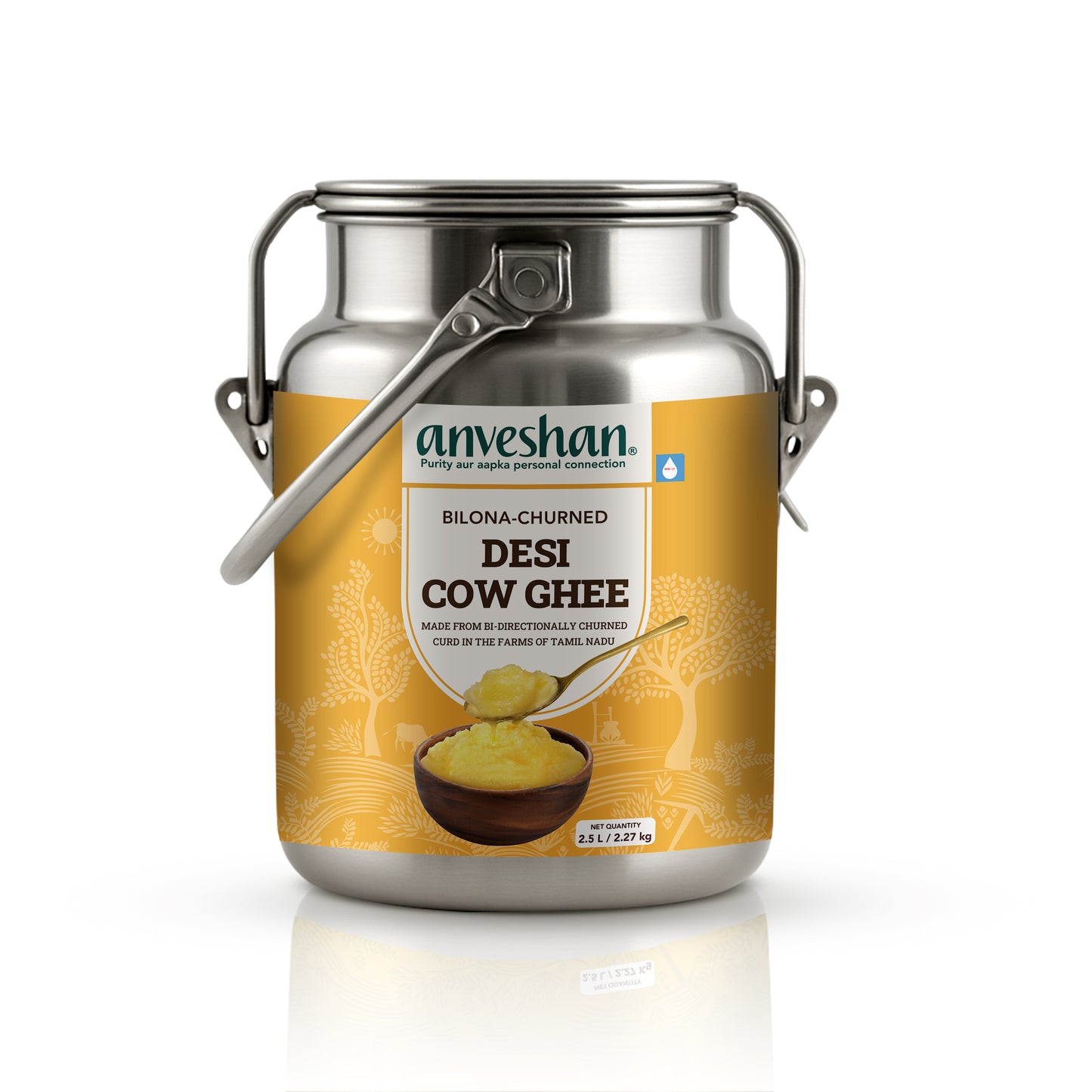
A2 Desi Cow Ghee
A2 Desi Cow Ghee
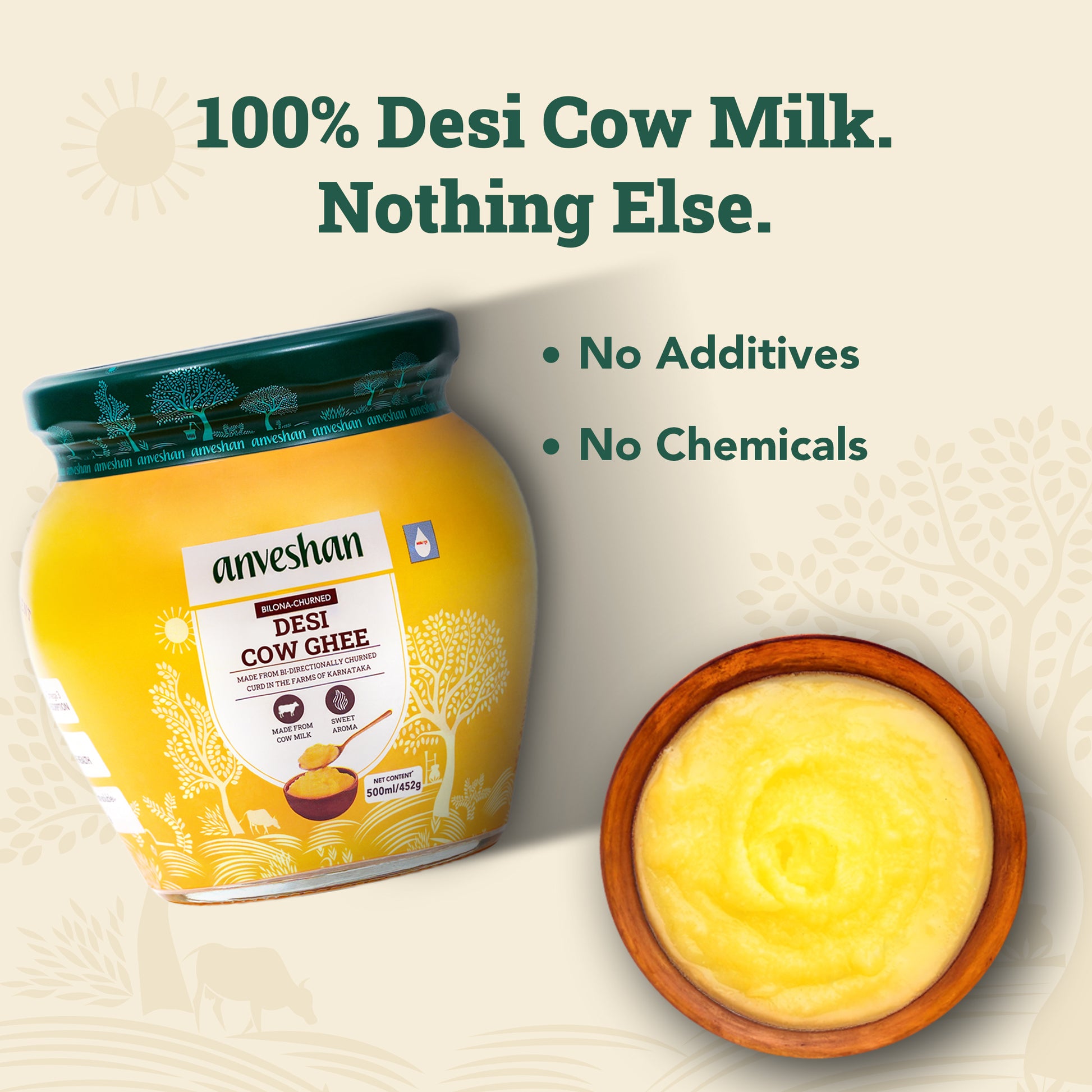
Milk from Indigenous Cows | Bilona-Churned from Curd | Naturally Rich in CLA & Butyric Acid | Lab-Tested

Buy now & earn 52 Purity Coins instantly


Product Description
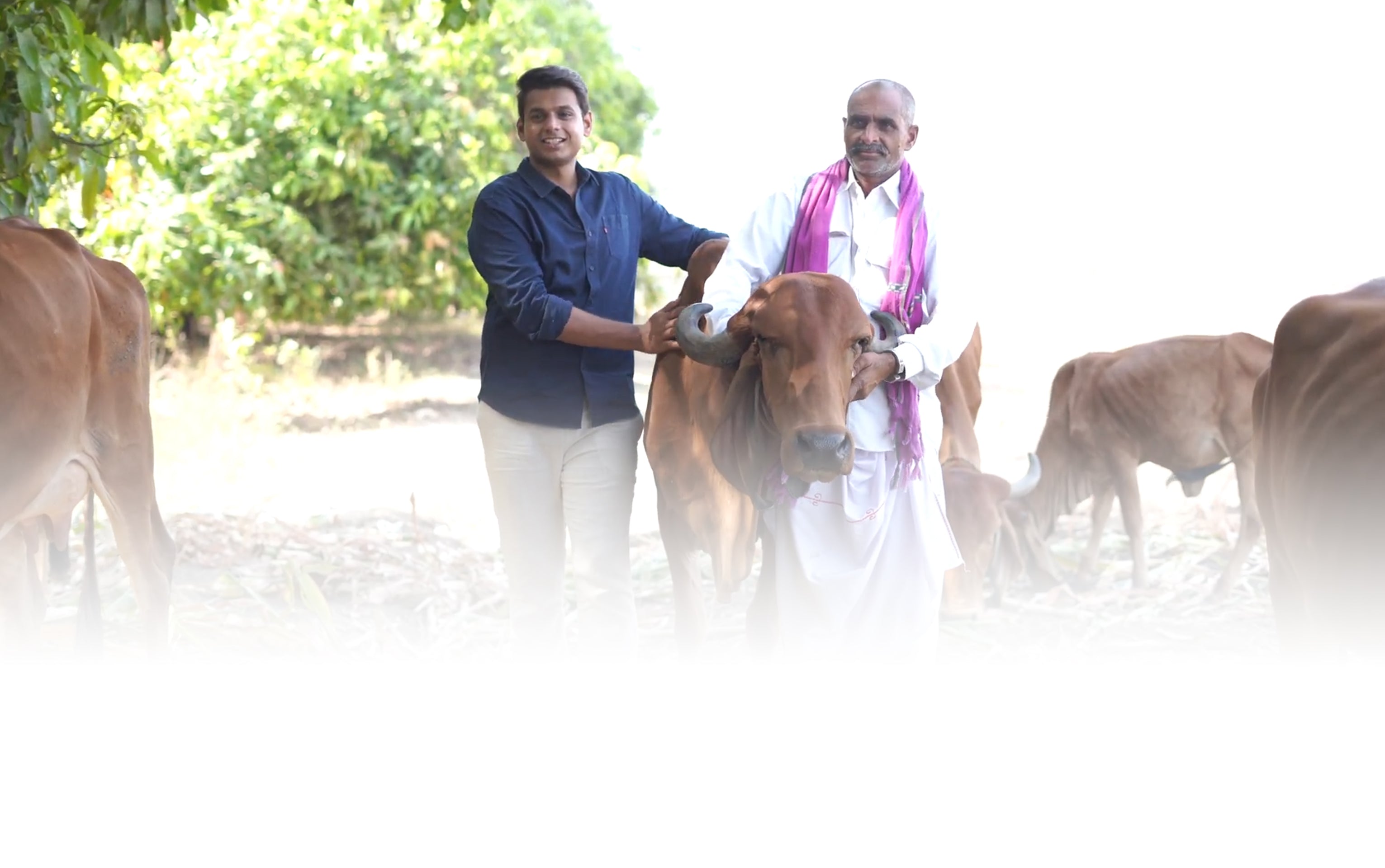
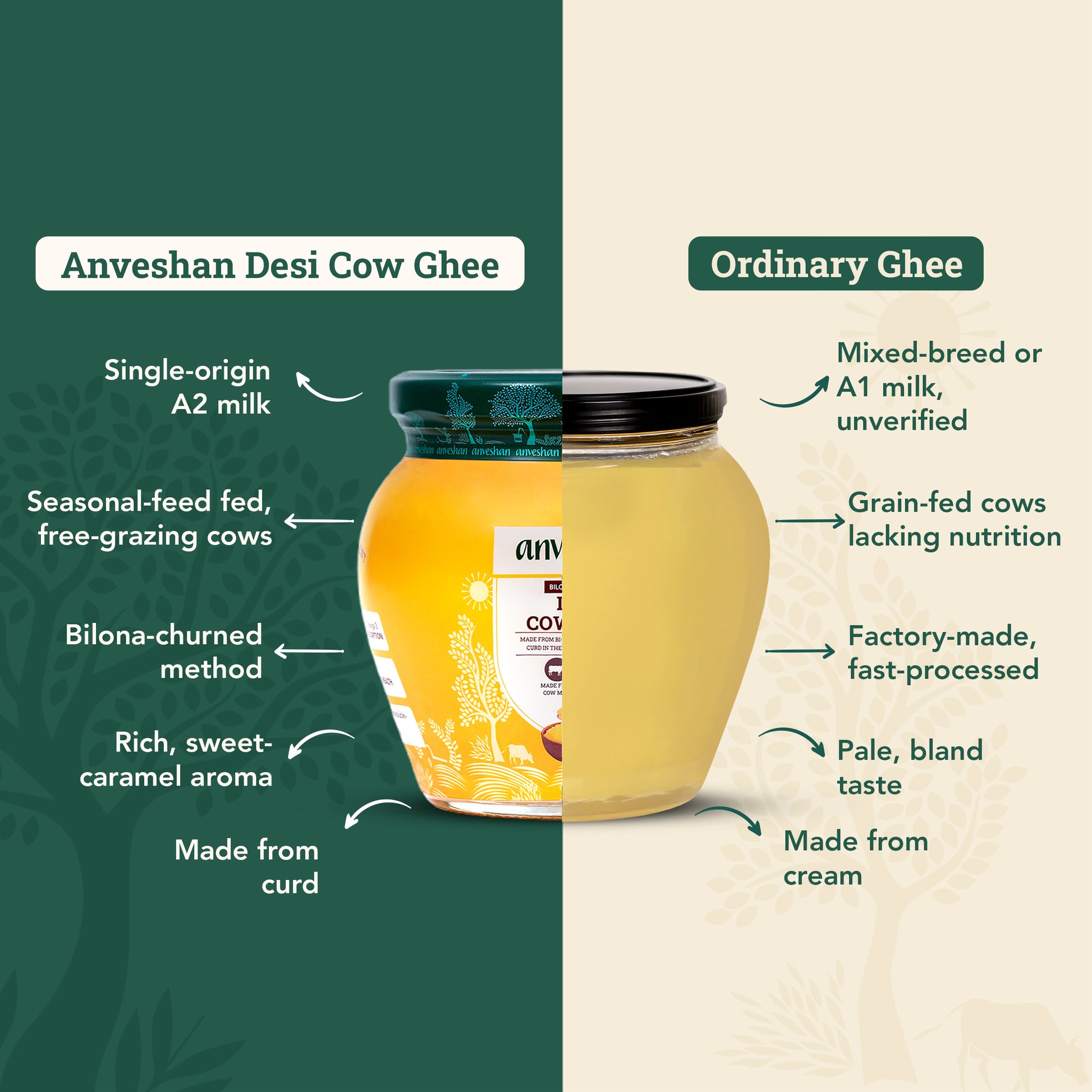
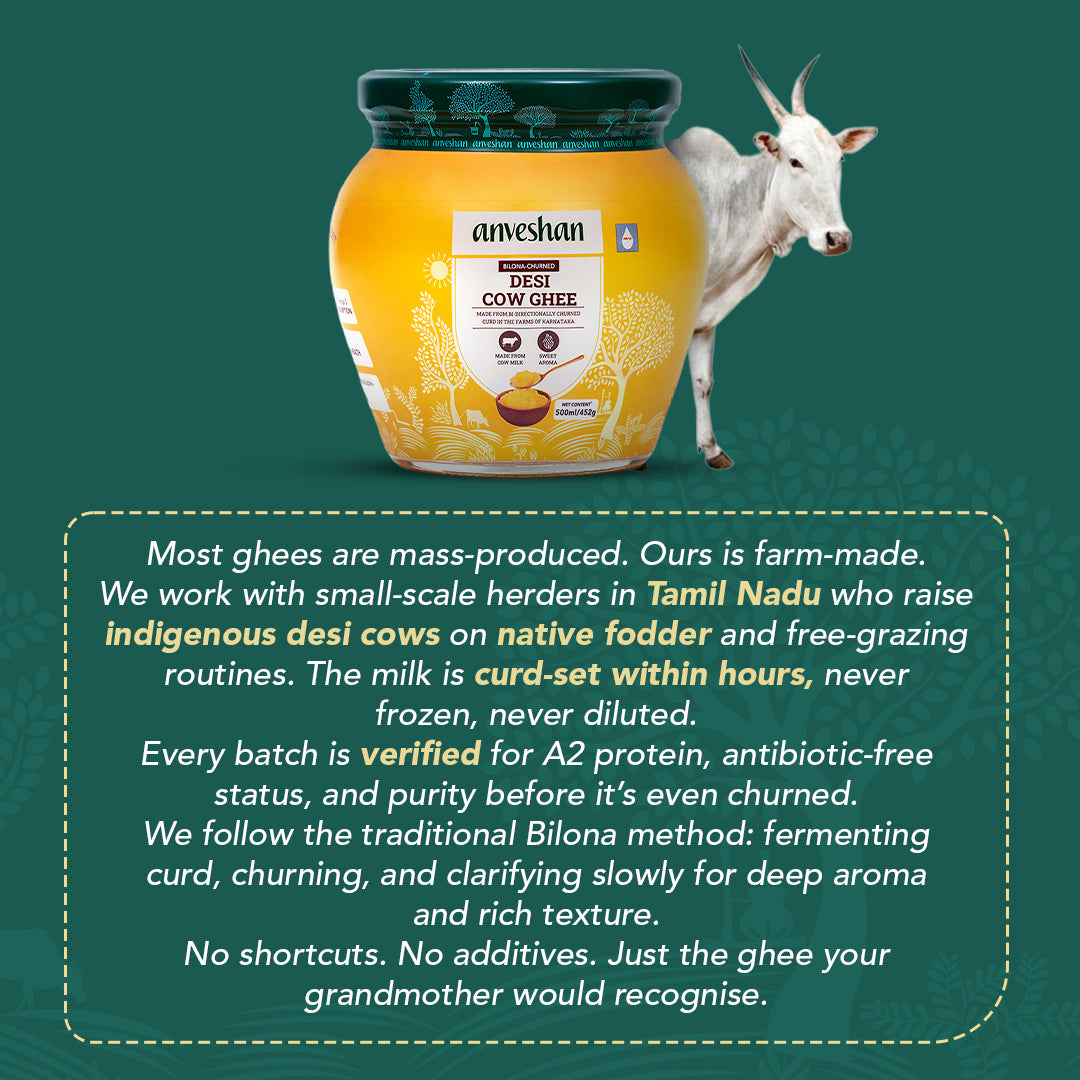
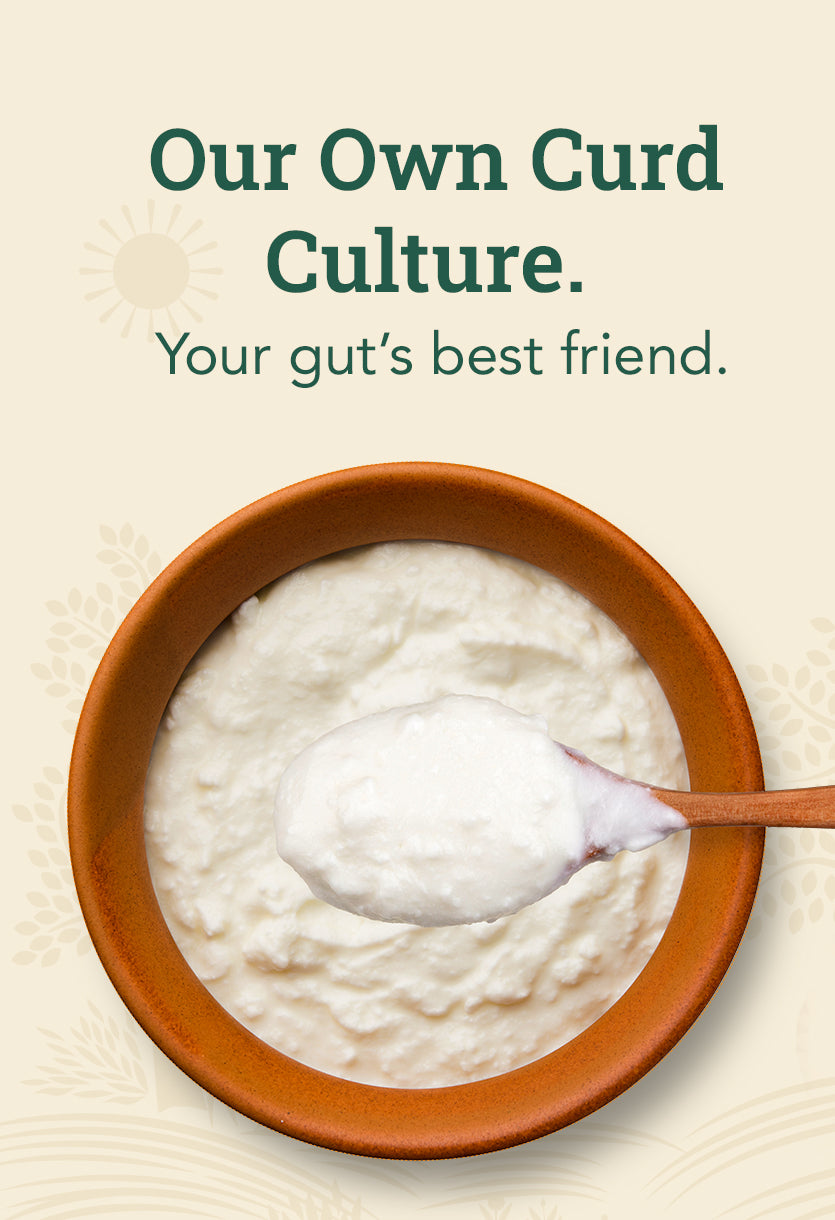
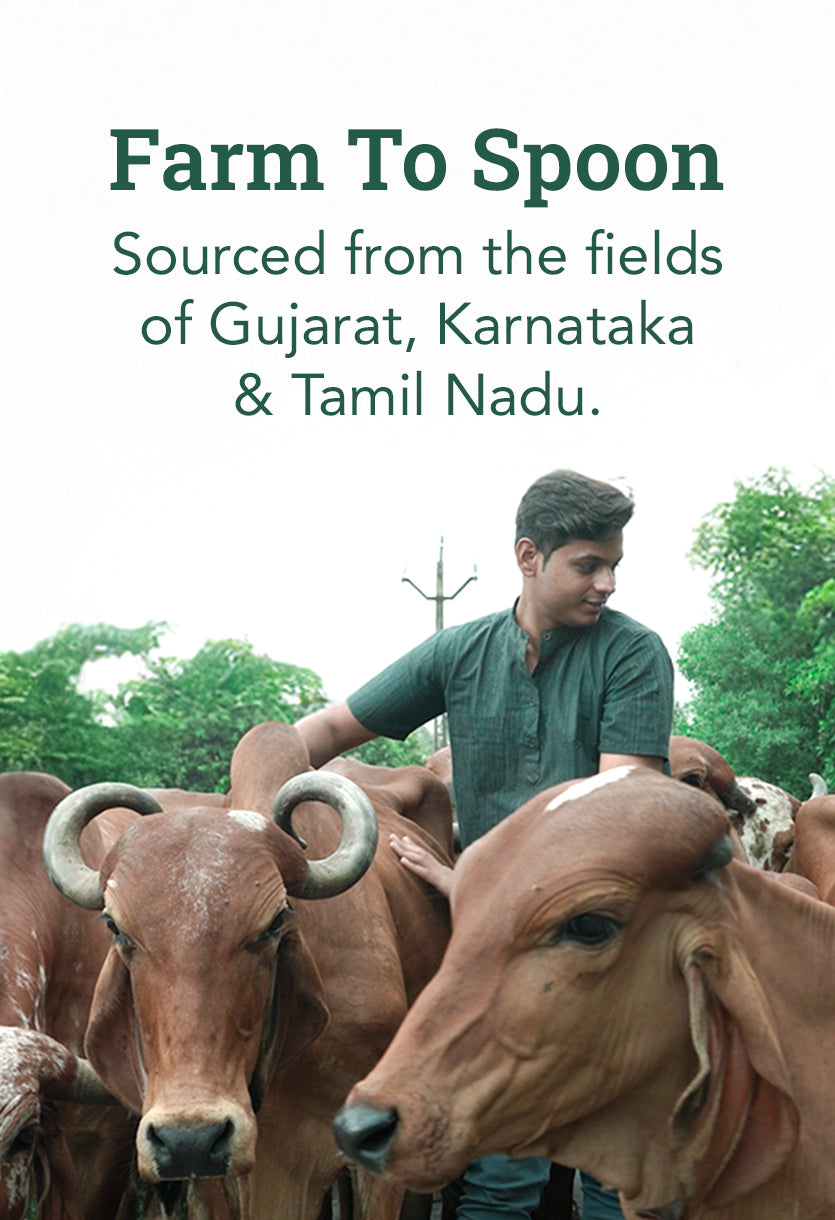
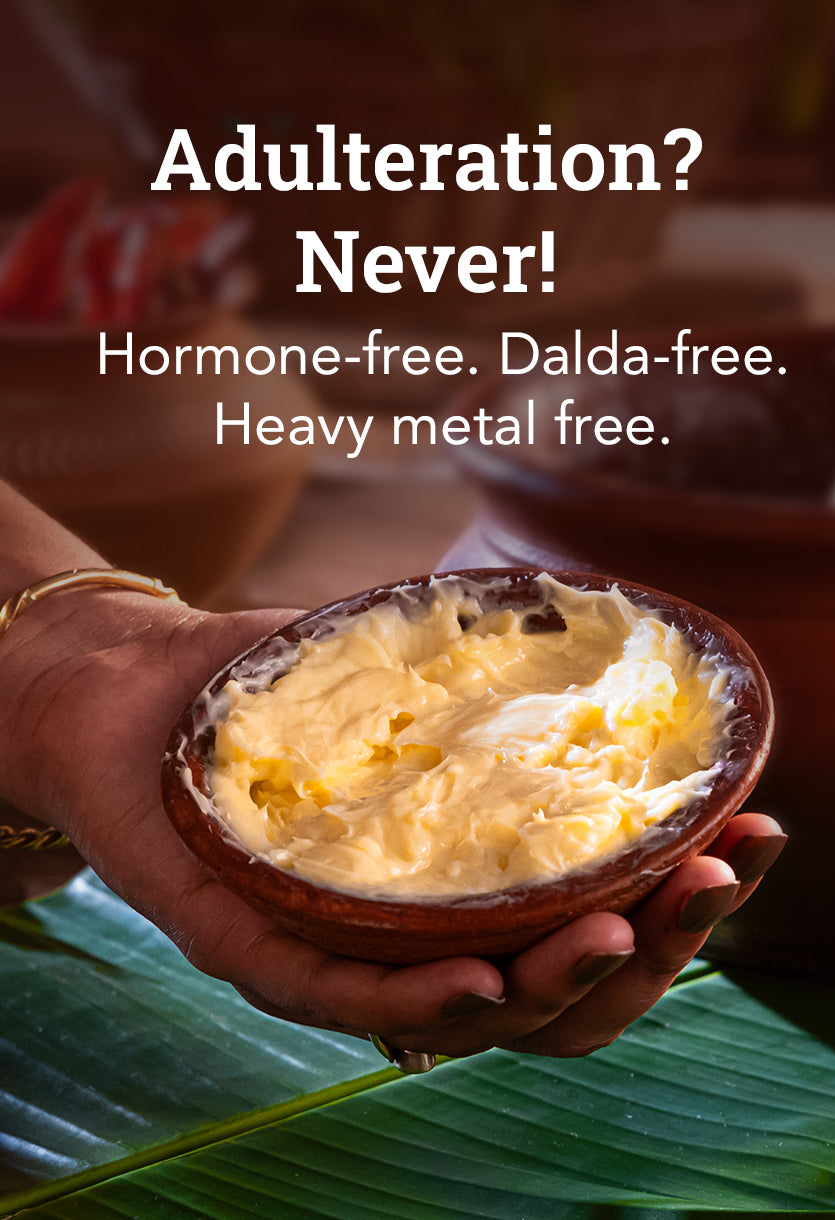
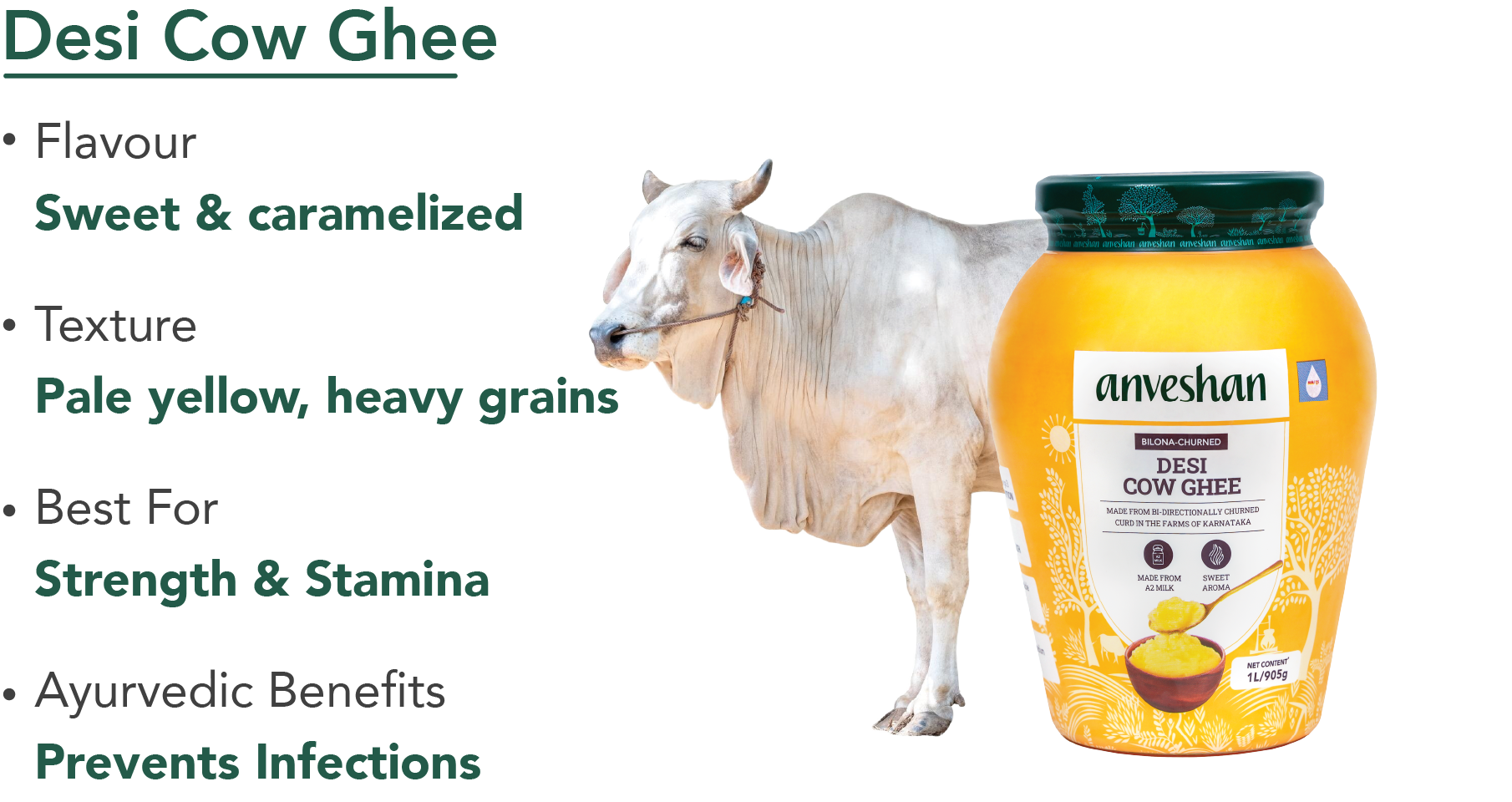
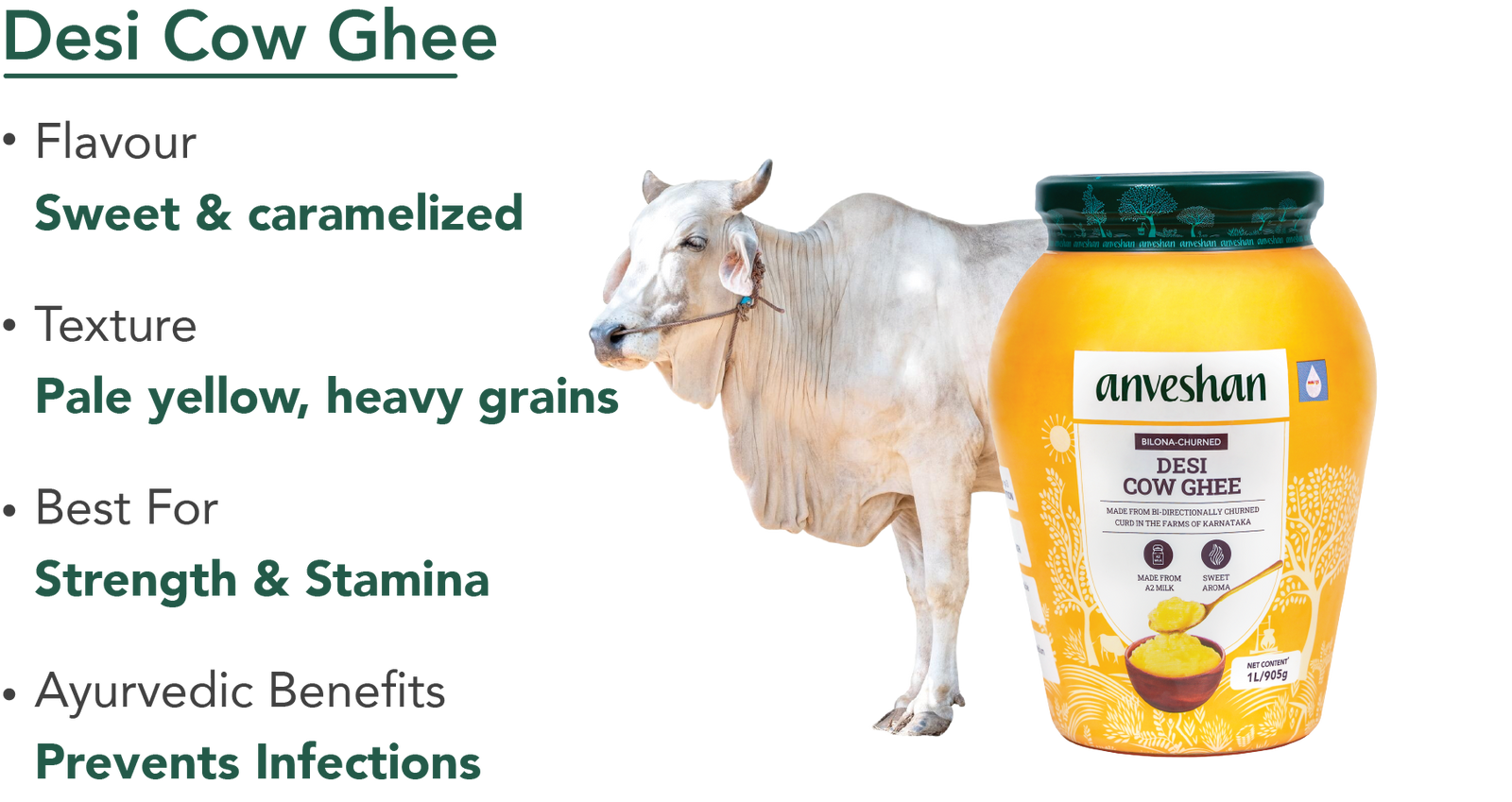
This is the ghee your grandmother would trust. Our Desi Cow Ghee comes from the milk of indigenous cows in Tamil Nadu, Karnataka and Gujarat, allowed to graze freely and never injected with hormones. Their milk carries only the A2 type of β-casein protein, which makes this ghee properties easy to digest. True to tradition, fermentation of milk with a specific starter culture during curd preparation may contribute to higher levels of naturally occurring conjugated linoleic acid (CLA). As CLA is naturally present in the milk fat of grass-fed cows, this traditional fermentation-based process may help retain a richer profile of naturally occurring fatty acids in the ghee and deep homemade aroma.
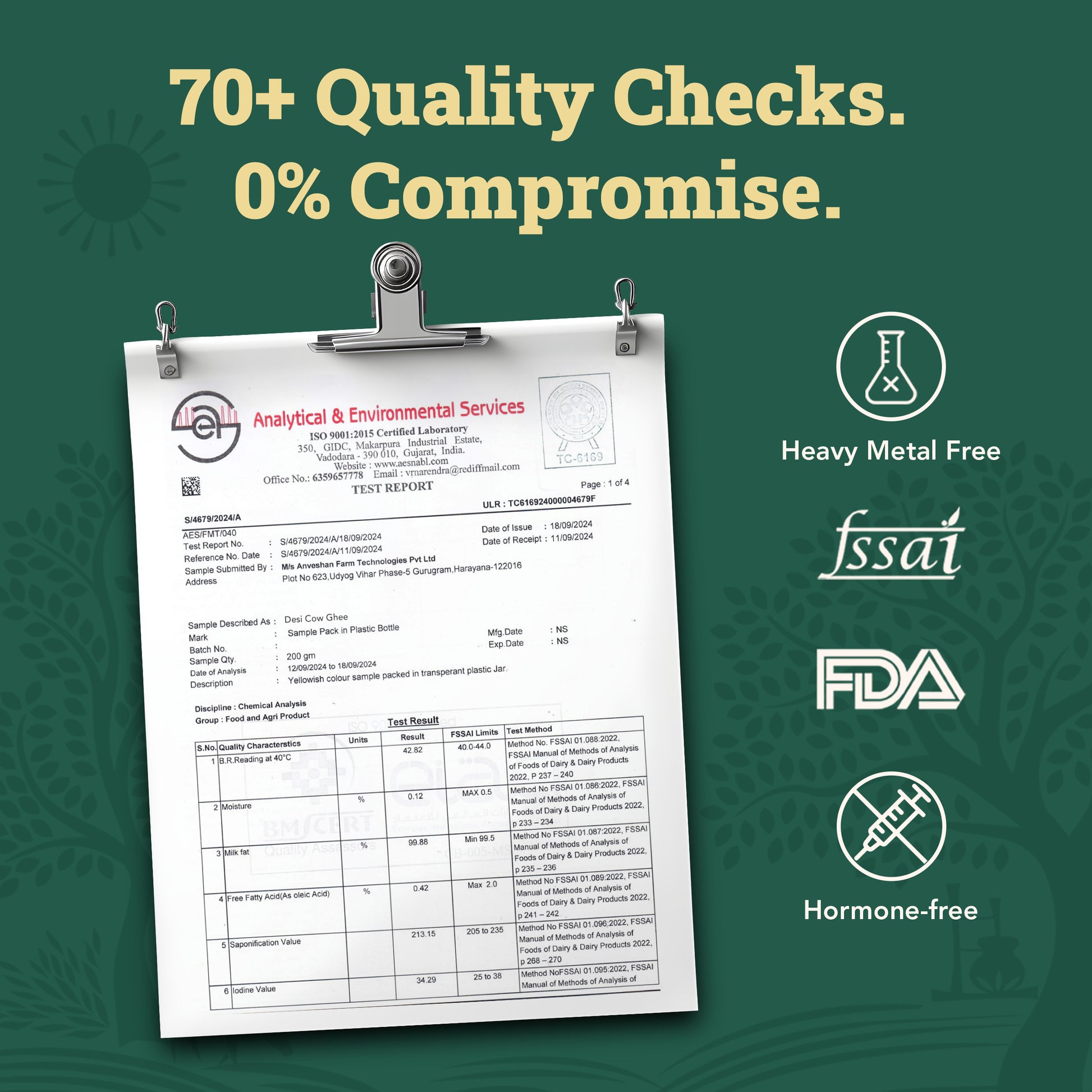
Every batch is lab-tested, and every jar carries a QR code that takes you straight to its report. No preservatives, no shortcuts. With this desi cow ghee, you never have to second-guess.
 View full details


Where Happy Cows Graze
The Anveshan Way:

Uses
Benefits
Benefits
-
 The A2 advantage.
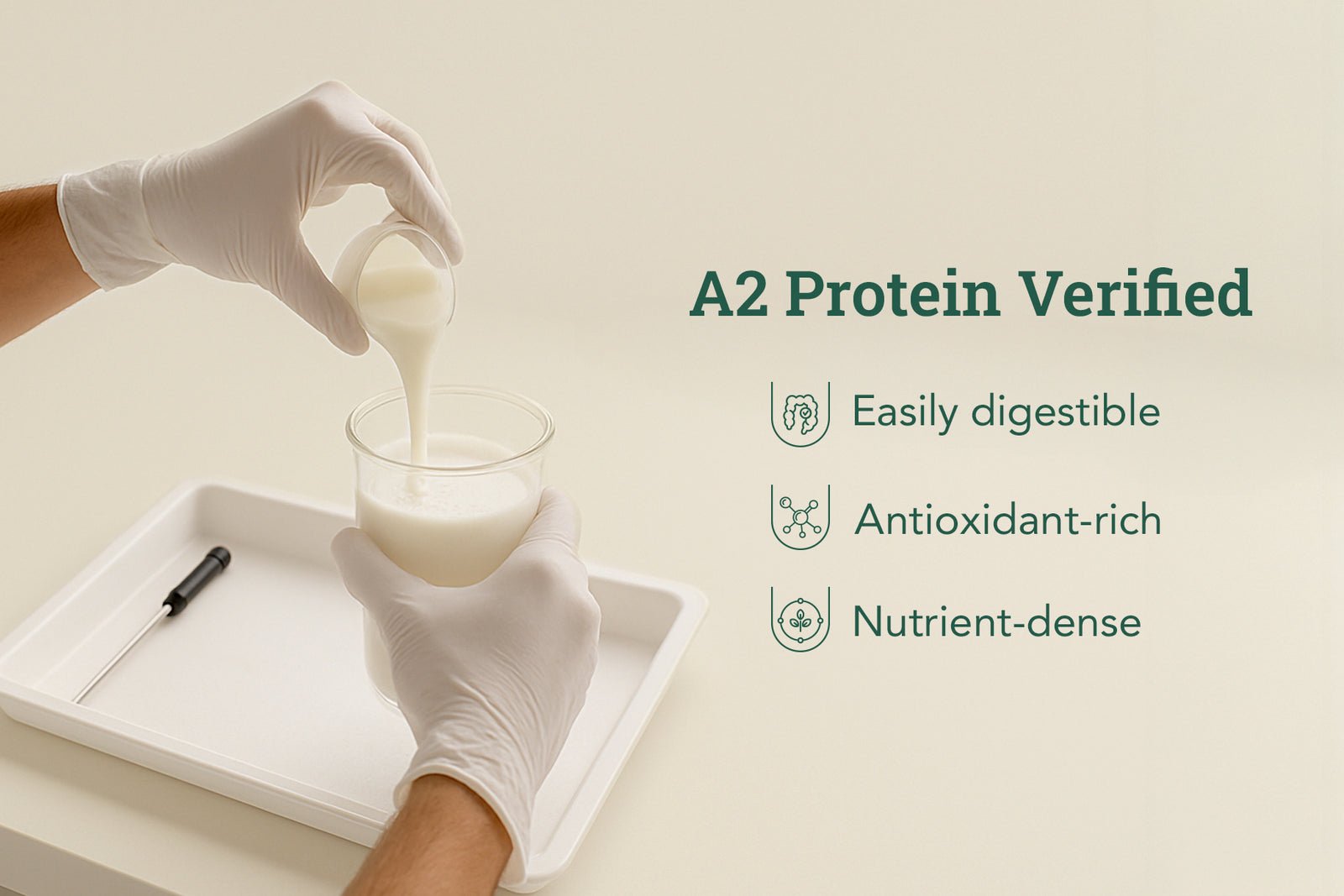
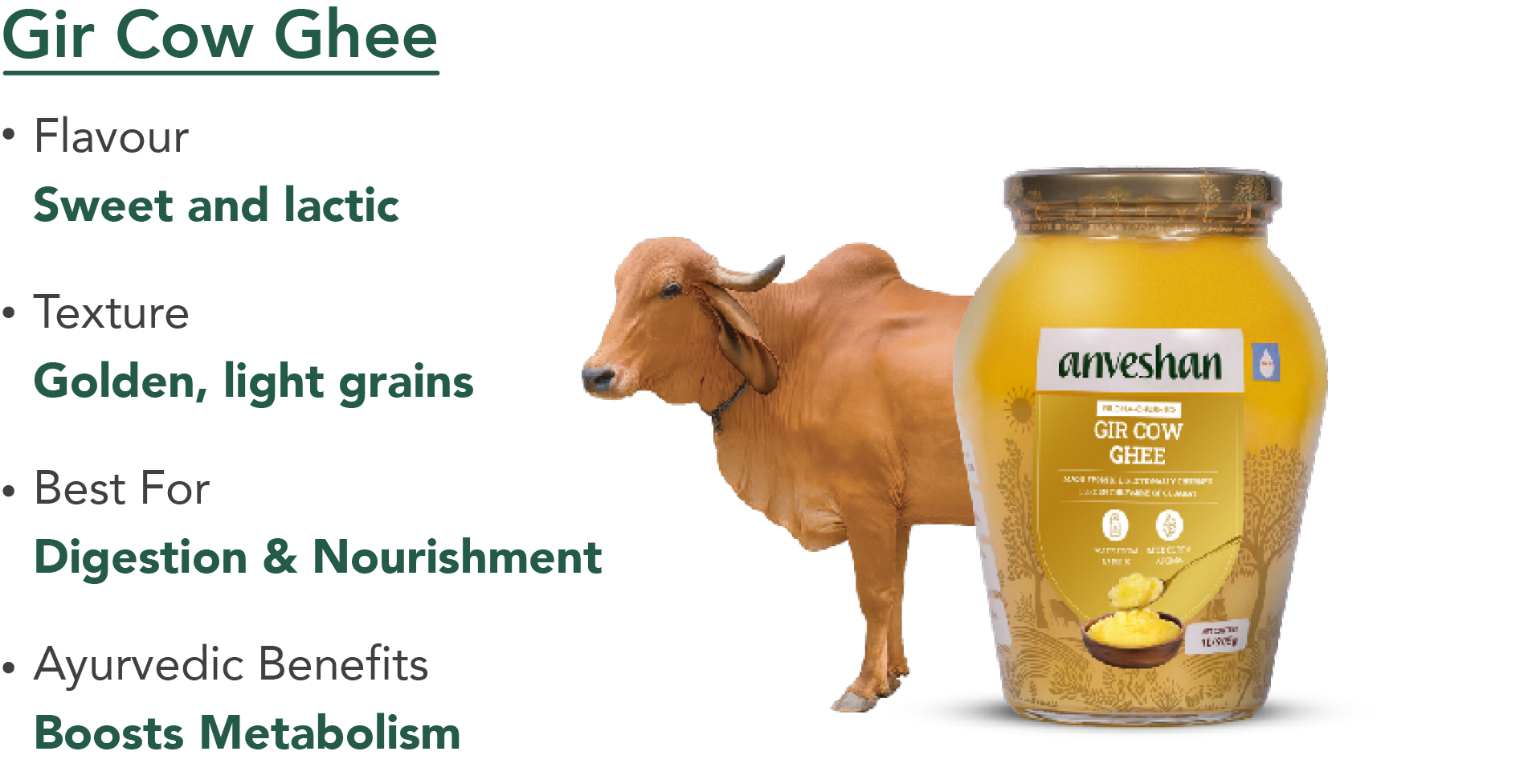
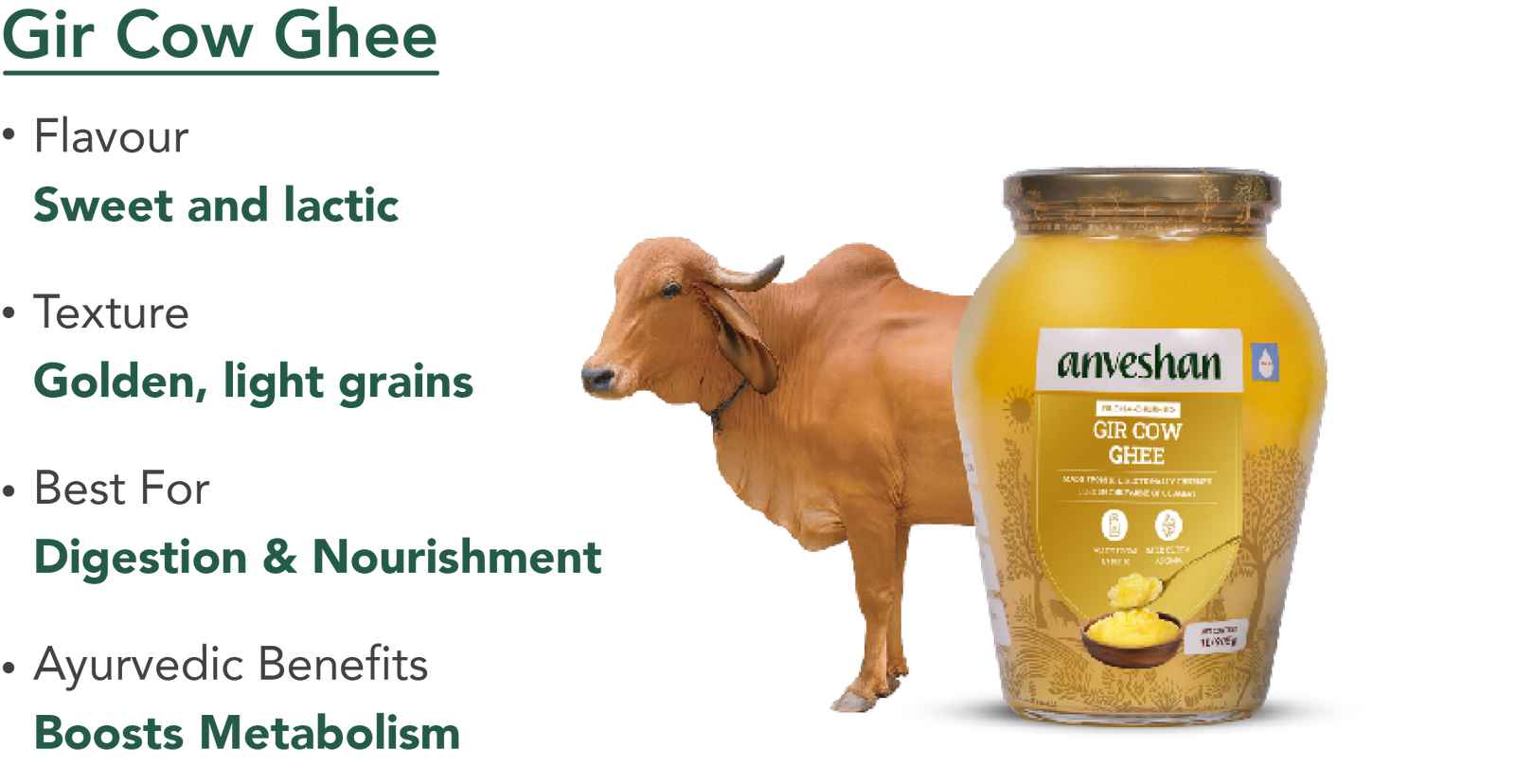
Gir cows produce milk with only A2 β-casein protein. Unlike crossbred and exotic breeds whose milk with A1 protein releases a peptide (BCM-7) making digestion difficult, A2 milk does not release BCM-7. A2 milk is considered gentler and easier to digest.
-
 Better fat profile
Since milk fat is naturally associated with casein proteins, ghee contains a diverse mix of fatty acids, including saturated, monounsaturated and polyunsaturated fats, along with short- and medium-chain fatty acids such as butyric, caproic and caprylic acids. These components contribute to its nutritional value and support overall health.
-
 Naturally rich in CLA.
Fermentation of milk with a specific starter culture during curd preparation may contribute to higher levels of naturally occurring conjugated linoleic acid (CLA). As CLA is naturally present in the milk fat of grass-fed cows, this traditional fermentation-based process may help retain a richer profile of naturally occurring fatty acids in the ghee.
-
 Vitamins that come with the fat.
Being a pure milk fat, it helps absorb fat-soluble vitamins A, D, E and K.


Shelf Life
You Ask , We answer
Know Your Ghee
Real People. Real Reviews.